Diaphragm and Equilibrium Ball Valves
The valves that take control of your household water system aren't difficult to understand - or to fit or repair. Therefore the next time certainly one of yours fails, expect you'll put it right yourself.
Ball-valves are really just self-regulating taps built to keep a given volume of water in a cistern. While there are many of patterns every one has afloat-not necessarily a ball currently - at one end of a rigid arm which opens or closes a valve because water level in the cistern falls or rises.
There are basically 2 types of ball-valve: the standard type, generally made of brass, the location where the water drainage is controlled by a washered plug or piston; as well as the type which has been developed more recently when the flow is controlled by way of a large rubber diaphragm housed in a plastic body. Here we will discuss Diaphragm ball-valves and Equilibrium ball-valves. 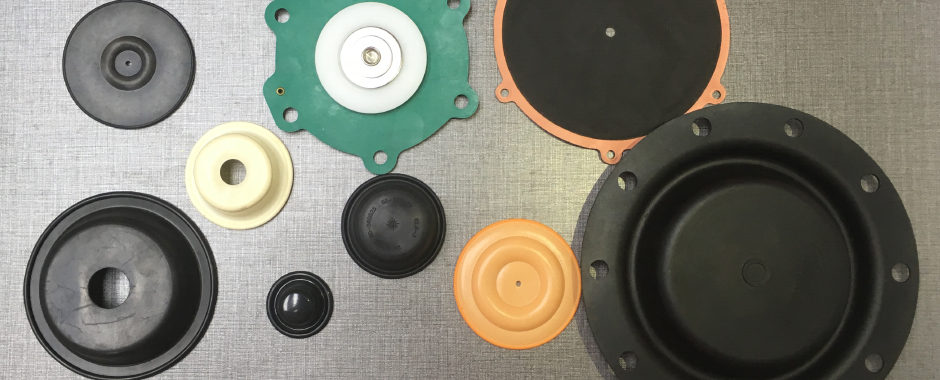
Diaphragm ball-valves. Diaphragm ball-valves, which can be also referred to as BRS or Garston ball-valves, were specially developed to overcome the noisiness and inherent faults from the Croydon and Portsmouth valves. Considering that the moving aspects of a diaphragm valve are protected from incoming water with the diaphragm there's no chance of them seizing due to scale deposits as well as the problem of noisy water delivery can often be overcome nowadays by an overhead sprinkler outlet which sprays instead of squirts the water in to the cistern. Should you need to adjust the river level within a cistern fitted having a diaphragm valve, then invariably you'll be able to by means other than bending the float arm. The sole problems you may well encounter with diaphragm valves are jamming in the diaphragm from the valve nozzle, and obstruction in the space between your nozzle and diaphragm with debris in the main. You remedy these complaints by unscrewing the knurled retaining cap and either freeing the diaphragm using a pointed tool or treatment of debris.
Equilibrium ball-valves. You can buy Portsmouth and diaphragm equilibrium valves. These are both meant to allow a little level of water to feed or around the washered piston (or diaphragm) into a watertight chamber beyond. Becoming it can around the rear of the piston, and staying at exactly the same pressure since the mains, the river inside the chamber makes sure that the piston takes place in equilibrium. What this signifies in practice could be that the valve is operated solely with the movement with the float arm, instead of a variety of the movement from the float arm and also the pressure from the incoming water out of the box the case in a ordinary high-pressure valve. Together with refilling your cistern promptly in spite of any fluctuations in mains pressure, equilibrium valves also eliminate the 'bounce because valve closes - a standard source of water hammer. A diaphragm equilibrium valve will give you a really rapid and silent refill.
For more info about Control Valve Diaphragm web site: click here.
